
Searching the Southern Shores Court Docket
The town offers no court portal of its own. Any state traffic ticket, criminal charge, or infraction written in Southern Shores lives in the North Carolina eCourts Portal. Smart Search accepts a citation number, a case number, or a party name. Narrowing the location to Dare County helps when a name is common. The public Case Summary shows case events and hearing information. For an official copy, go to the Dare County Clerk of Superior Court.
- Select Smart Search in the eCourts Portal for the Southern Shores state matter.
- Use a citation number, case number, or party name and filter to Dare when appropriate.
- Read public status, events, hearings, charges or claims, and disposition data.
- Check Search Hearings and the Dare Criminal Calendar for a current setting.
- Call the Dare Clerk at (252) 475-5200 for court-file access or confirmation.
A case number like 21CR000003-910 follows the Enterprise Justice pattern: year, case type, sequence, and county. The city name in the file tells you where the incident started. It does not mark a separate Southern Shores court division or local docket.
Southern Shores State Ticket Court Path
State cases from Southern Shores stay inside the Dare system. They travel through Dare District Court, the Dare Clerk, the Portal, and Dare calendars. District Court takes traffic infractions, misdemeanors, and family matters. It also handles civil claims of $25,000 or less. Felonies, bigger civil claims, and qualifying appeals go to Superior Court. The path is the same one every other Dare court case uses.
Docket flow: Southern Shores Police citation → Dare District Court / Dare County Clerk → eCourts Portal and Dare Criminal Calendar → Superior Court on a qualifying appeal.
The 2020 Census counted 3,090 residents in Southern Shores. That number tells you nothing about a city court caseload. The town runs no municipal court at all, and the case record stays a Dare record from filing to the end.
Southern Shores Municipal Court Basics
Southern Shores has no municipal court and no municipal docket portal. What the town does have is civil enforcement for certain Town Code matters. That split makes a citation's wording matter. A state traffic ticket never goes to the Town Treasurer. A town civil citation will not appear as a Portal Case Summary or a Dare criminal docket entry.
For a state case, the order is Portal, Search Hearings or the calendar, then the Dare Clerk. For town civil enforcement, follow the notice and the town's stated path. Both can start with a citation in Southern Shores. But the deadlines, the offices, and the record locations differ.
Southern Shores Civil Citation Treasurer Route
The town code sets out a local sequence. It begins with a warning citation and then a civil citation. The recipient must appear before the Town Treasurer at Town Hall within 15 days. Payment by mail is the other option. If neither happens, the town may file a civil action in the proper division of the General Court of Justice. Treat it as municipal civil enforcement. It is not a Southern Shores municipal criminal docket. No such criminal court exists here.
| Southern Shores citation | Initial route | Search result |
|---|---|---|
| State traffic or criminal ticket | Dare court system | Portal, Search Hearings, Dare calendar |
| Town Code civil citation | Town Treasurer within 15 days or payment by mail | Town civil-enforcement record |
| Unresolved town civil citation | Potential General Court civil action | Court record only if that action is filed |
That later civil action still does not make the town notice a court docket entry. Keep the original notice and follow the route it gives. Remember, the 15-day rule applies to the town civil-citation process, not to every Southern Shores state ticket.
Court Dates and Settings in Southern Shores
A Southern Shores state court date is really a Dare setting. Check the individual Portal Case Summary first. Then use Portal Search Hearings for current hearing information. The Civil and Criminal Calendars site posts Dare session documents once you select Dare and Criminal. The calendar gives session context. The Case Summary remains the record of events in your case.
| Date | The Dare date on the ticket, Case Summary, or session calendar. |
|---|---|
| Time | The published court session or hearing time, subject to change. |
| Courtroom | The Dare courtroom shown in public hearing information when listed. |
| Judicial officer | The judge or official displayed for the public setting, if available. |
| Setting type | A hearing, arraignment, pretrial, trial, compliance event, or disposition. |
A Town Hall appointment or a municipal meeting is not a state court setting. Suppose the Dare calendar and the Portal disagree. Ask the clerk to confirm the current Southern Shores court date.
Southern Shores Dare Calendar Lookup
Portal Search Hearings lets you query by case number, party or business name, attorney or bar number, judicial officer, or courtroom. It is the tool for current settings in a Southern Shores state case. The Dare criminal-calendar query lists session documents by court level and date. Neither is a city calendar for the town. Southern Shores runs no docket of its own.
Start with the ticket or case number. Then move through Smart Search, Search Hearings, and the Dare calendar. A name search can pull up several cases. So compare the filing date and case type before trusting a match. When a court date is close or the record has limited public access, the Dare Clerk is the direct local fallback for a docket lookup.
Traffic Tickets in Southern Shores
A state traffic ticket written in Southern Shores runs through Dare court rules. Pay attention to the citation number. It works in Portal, and the ticket prints the court date. For a minor offense where no appearance is required, paying before that date counts the same as showing up. It equals pleading guilty to the original charge. A required-appearance ticket is different. That one cannot be treated like a town civil citation or paid ahead of time.
Dare lists the payment choices for eligible state matters. Portal takes card payments, with a vendor charge added. The clerk's office accepts payment by the court date. Mail works with a cashier's check or money order. The clerk has no power to reduce a citation. The county Traffic Tickets page goes deeper. The ticket itself gives the controlling court instruction.
Skip a required date and a called-and-failed entry may follow. An FTA can issue after 20 days if the matter stays unresolved. Dare lists a $200 failure-to-appear fee and a $50 failure-to-comply fee. All of that belongs to the state court route.
Southern Shores Two Citation Systems
Two separate citation systems touch Southern Shores. Keep them apart. The town civil-citation route may direct you to appear before the Treasurer at Town Hall. The window for that is 15 days. The state traffic route points instead to the court date printed on the citation. It also points to the Dare Clerk and the eCourts tools. Both documents can carry the city name. That name alone decides nothing about who keeps the record.
A town civil citation may go unresolved. When it does, the town may file a civil action in General Court. At that point, and only then, a court case file exists. It becomes searchable through the right court channel. That future court case is a different thing from the town notice itself. This split is the central Southern Shores docket issue to understand.
Where Southern Shores Cases Go
State cases from Southern Shores land directly in Dare's court structure. District Court keeps the everyday docket. That covers traffic, infractions, misdemeanors, family matters, and civil cases of $25,000 or less. Superior Court takes the higher-level matters and authorized appeals. Meanwhile, the Dare County Clerk of Superior Court keeps the records, files, dockets, and indexes for both divisions.
Docket flow: Southern Shores Police or state citation → Dare District Court and Dare Clerk → Superior Court when applicable → North Carolina Court of Appeals where allowed.
Portal is the first public lookup to try. When online access falls short, public terminals and paper files wait at the Justice Center, and the clerk can issue an official court copy. No town office can certify or maintain that state court record.
Southern Shores Police and Court Custody
Southern Shores Town Hall sits at 5375 North Virginia Dare Trail, Southern Shores, NC 27949. The town's main number is (252) 261-2394, and the Police number is (252) 261-3331. Normal hours run Monday through Friday, 8:30 a.m. to 5 p.m. Those contacts work for municipal questions. For court case status and official court files, call the Dare Clerk at (252) 475-5200.
Town custody and court custody stay separate. That holds true even when a police officer wrote the original document. A town civil citation record begins with the municipal procedure. A state traffic or criminal case begins with the Dare court case file instead. Portal gives a helpful public court summary. But it cannot replace a police report or a certified copy.
Southern Shores Court Record Access Rules
North Carolina court-record law governs Southern Shores state court records. G.S. 7A-109 covers the clerk-maintained records, dockets, indexes, and public inspection. Portal supplies remote public case information. The Dare Clerk handles local inspection and official-copy questions instead.
North Carolina access rules:
G.S. 132-1 defines public records and uses a minimal-cost policy for copies unless another law applies.
G.S. 15A-151 keeps expunction files confidential except for limited disclosure rules.
G.S. 15A-146 allows expunction in eligible dismissed or not-guilty cases.
Sealed, juvenile, confidential, and expunction material never shows up as ordinary public results. The lawful access path depends on what you are after. It turns on whether the request concerns a Southern Shores town record or a Dare court file.
Southern Shores Docket Statute Context
Access statutes and expunction statutes explain why a public court search has limits. They create no municipal court portal for Southern Shores. G.S. 15A-151 and G.S. 15A-146 matter most where expunction or a dismissed case changes what the public may see. The G.S. 15A-151 source states the confidential expunction-file rule for state court records.
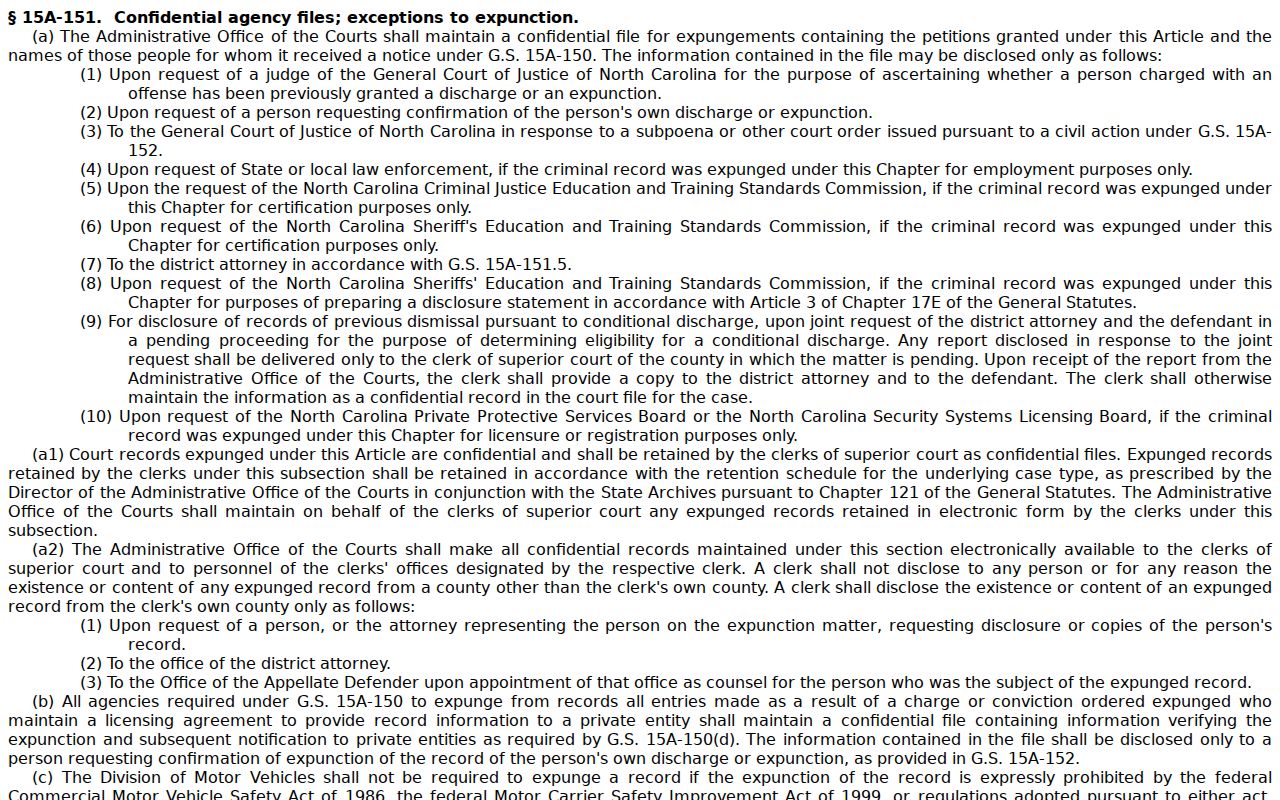
The statute backs the restricted-record explanation for a Southern Shores state court case. The G.S. 15A-146 source identifies the expunction provision for eligible dismissals and not-guilty findings.
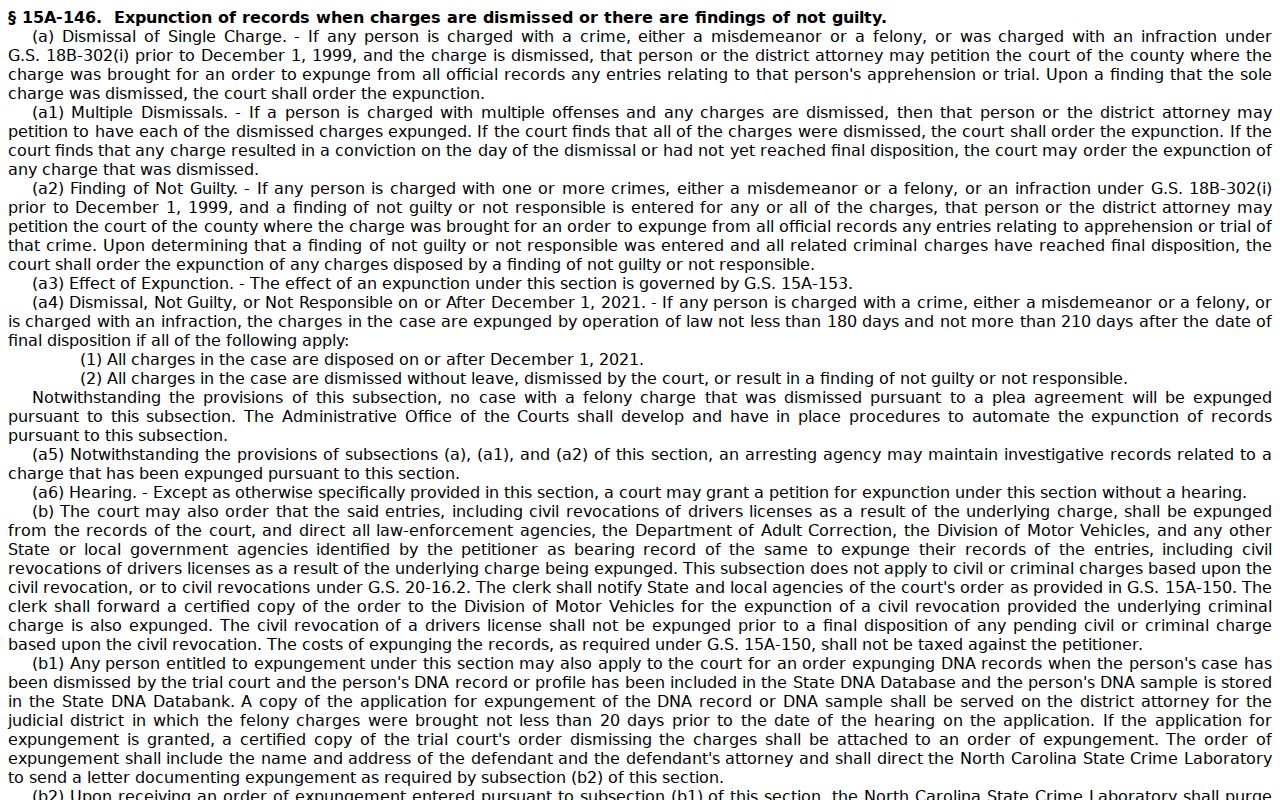
State law, not a Southern Shores city docket, sets the limits on court access.
Sort your access question first. A Town Code civil citation handled by the town Treasurer is a municipal record. That is plain and simple. A state traffic or criminal citation, though, belongs to the Dare court. The town may file a civil action after you fail to respond. If so, that new case gets its own court docket. Before that filing, the local citation and the state Case Summary stay separate. Each has its own access path.
For a Southern Shores state case, gather the citation number or case number. Then run the Dare-filtered Portal result. Confirm the hearing through Search Hearings or the Dare calendar. Then ask the clerk about inspecting or copying the file. For a Town Code notice, the Treasurer route and the 15-day response window govern instead. That split keeps municipal administration apart from the court's official case file.
Expunction and confidentiality rules touch the court system only once a court record exists. So don't assume every missing Southern Shores result hides in some city docket. A blank Portal match could mean a mistyped name or an unfiled municipal notice. It could also mean restricted access or something case-specific. The Dare Clerk can point you to the lawful court-record route. That way a municipal civil process never becomes a criminal court search.